About the Book
The first English-language history of the Tigris-Euphrates River Basin in the twentieth century, Two Rivers Entangled tells a new story of Iraq, Syria, and Turkey by analyzing the changing interactions between societies and ecologies.
The book shows how the natural world interacted with human efforts to establish new states, move and manage water, and build dams. Its four chapters follow water, salt, rock, and reservoirs to trace the entanglement of ecological change with political ambitions, social transformations, and economic plans.
Praise for Two Rivers Entangled
Two Rivers Entangled is at its most engaging when it goes beyond the techno-ecological environments themselves to examine past imaginaries of the future…. In this, he shows that just as the projects themselves, their environments, and the various riverine human and non-human actants entangled, so too did more strictly human methods of interaction and meaning-making.
—Nicholas Ostrum, GlobalEurope, June 2026
Read, Listen, and Watch
Read
- Introduction to Two Rivers Entangled
- A Crisis Older Than Climate Change
- The Page 99 Test: Dale J. Stahl’s Two Rivers Entangled
Listen and Watch
- Conversation with Dr. Mehiyar Kathem Al Sa’edi
- Discussion of Two Rivers Entangled with Pravin Subramanian
Inside the Book
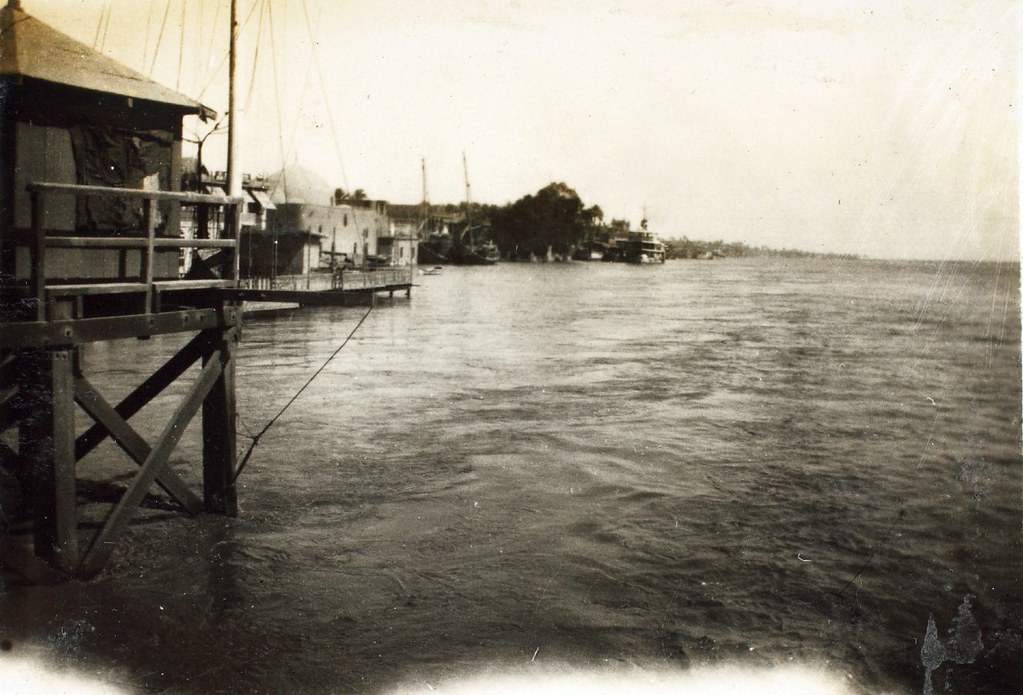
Water
The book begins with a great flood that struck the lower Tigris-Euphrates basin in 1919, just as British and French officials were negotiating the region’s political future. British irrigation engineers disagreed over whether flooding resulted from the physical behavior of the rivers or from human intervention. Their debate reveals how ideas about nature, society, and political authority became entangled in plans to “regenerate” both Iraq’s rivers and its inhabitants.
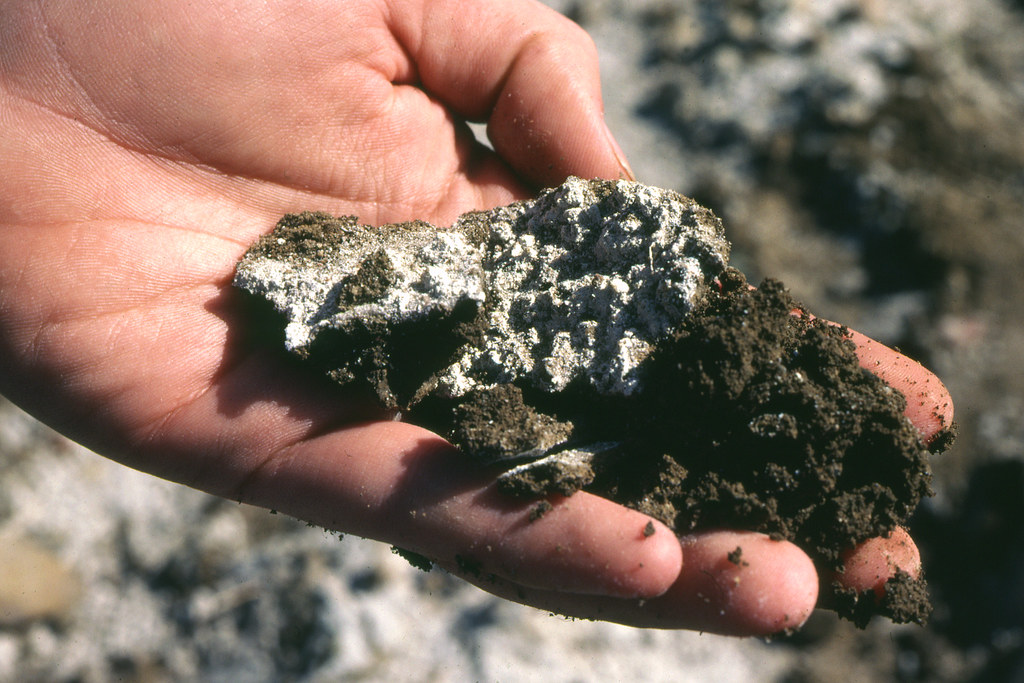
Salt
Salinity had shaped agriculture in the river basin for millennia, yet it rarely figured in twentieth-century visions of modernization. In Iraq, oil revenues financed massive water projects in the 1940s and 1950s, effectively linking two underground reserves: oil and salt. Irrigation and drainage projects altered the relationship between water and land, bringing salt to the surface even as wells brought up oil. The resulting degradation of farmland became intertwined with migration, urbanization, and political unrest.
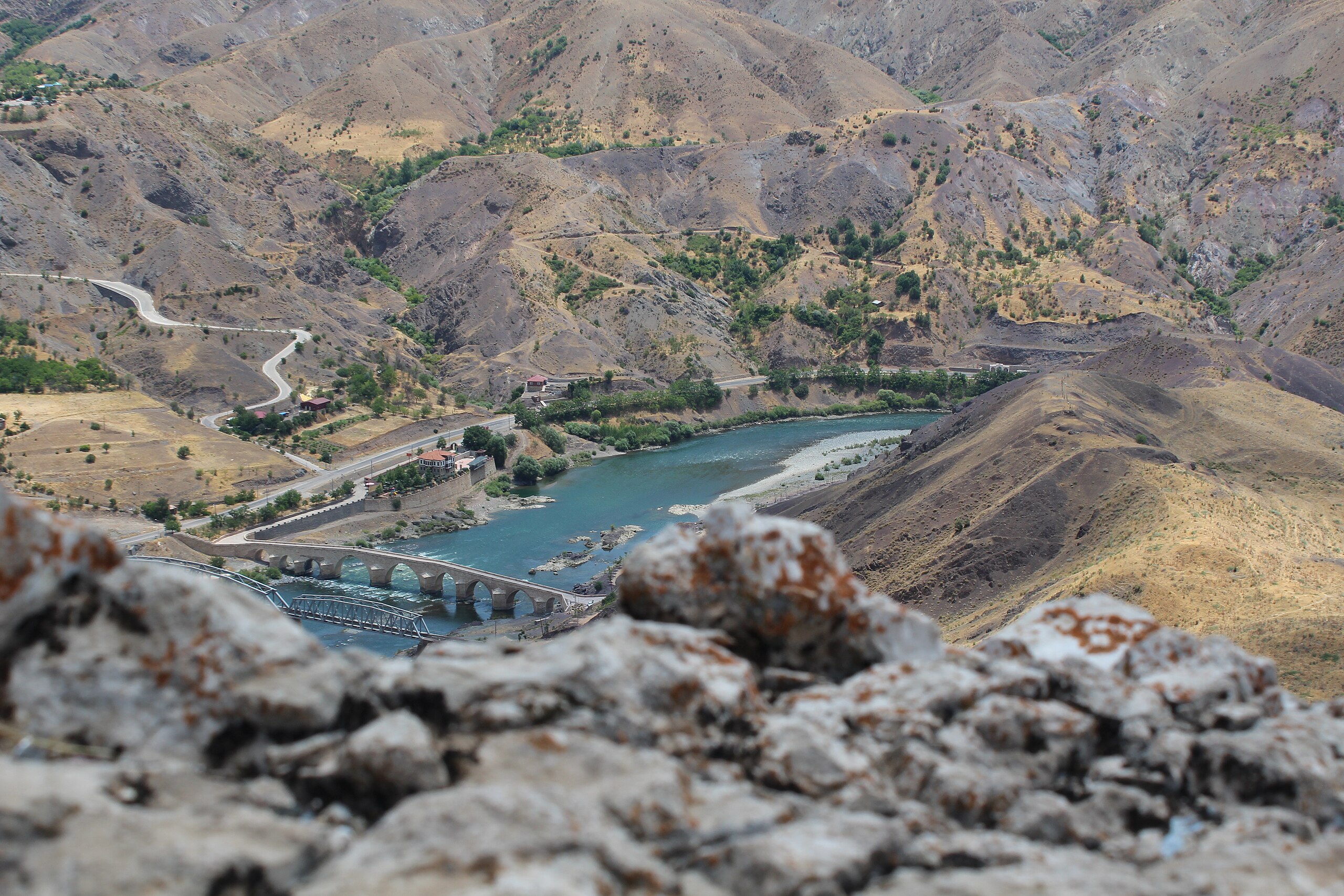
Rock
The construction of Turkey’s Keban Dam required engineers to harness the geology of the Euphrates while also transforming cultural understandings of the river and its landscape. This chapter brings engineering reports into conversation with poetry, storytelling, and other forms of cultural production. Reading technical documents as a literary genre reveals how engineering knowledge and cultural imagination worked together to bring about both a new dam and a new conception of the river.
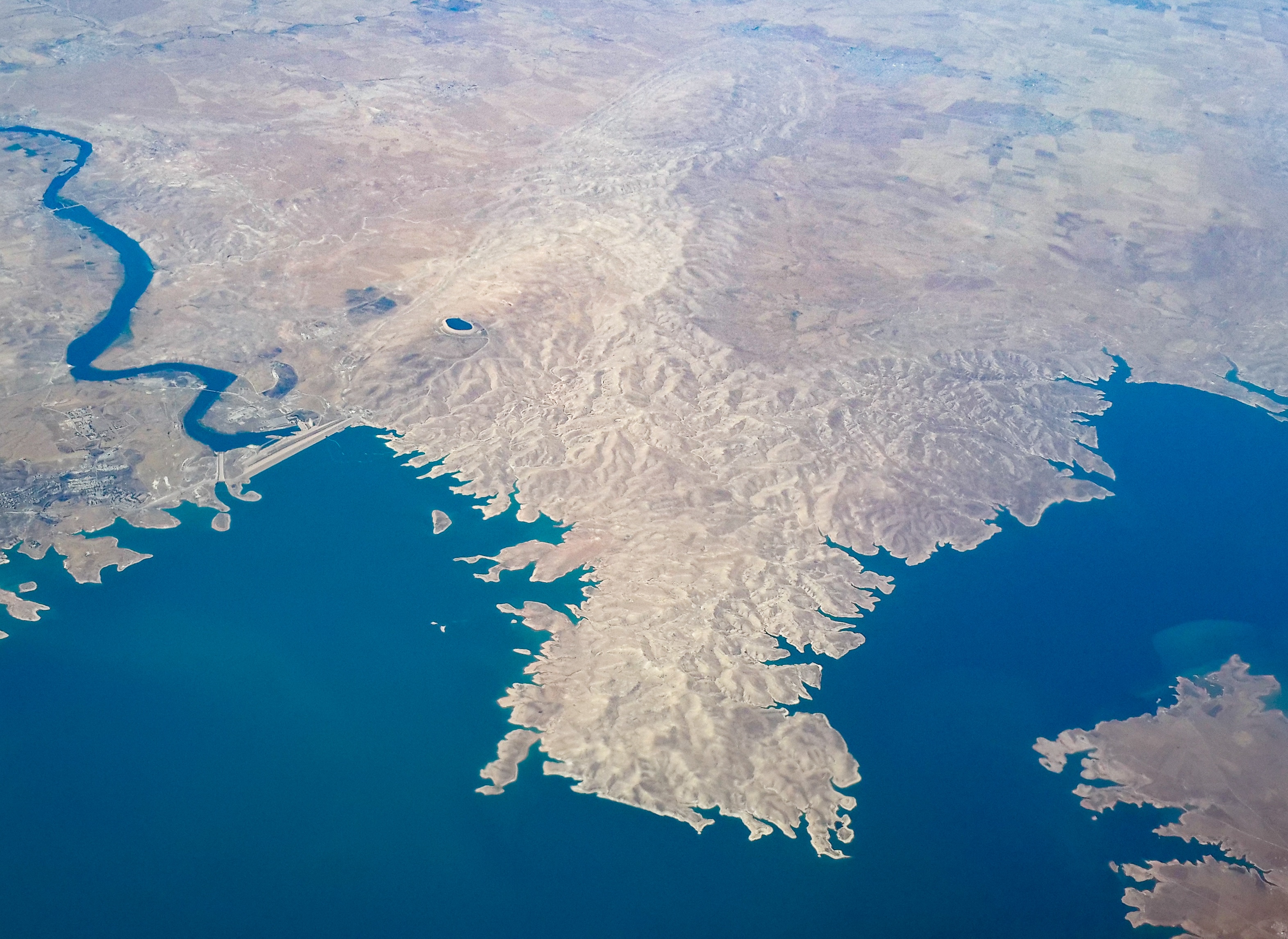
Reservoir
By the late twentieth century, dams had transformed much of the Euphrates into a series of reservoirs. This chapter follows developments in both Turkey and Syria, considering the life of Turkish engineer and prime minister Süleyman Demirel, whose vision of development drew inspiration from the American West, and Syria’s long road to financing the construction of al-Tabqa Dam. In both countries, dams and reservoirs became symbols of modernization, political authority, and competing visions of civilization.